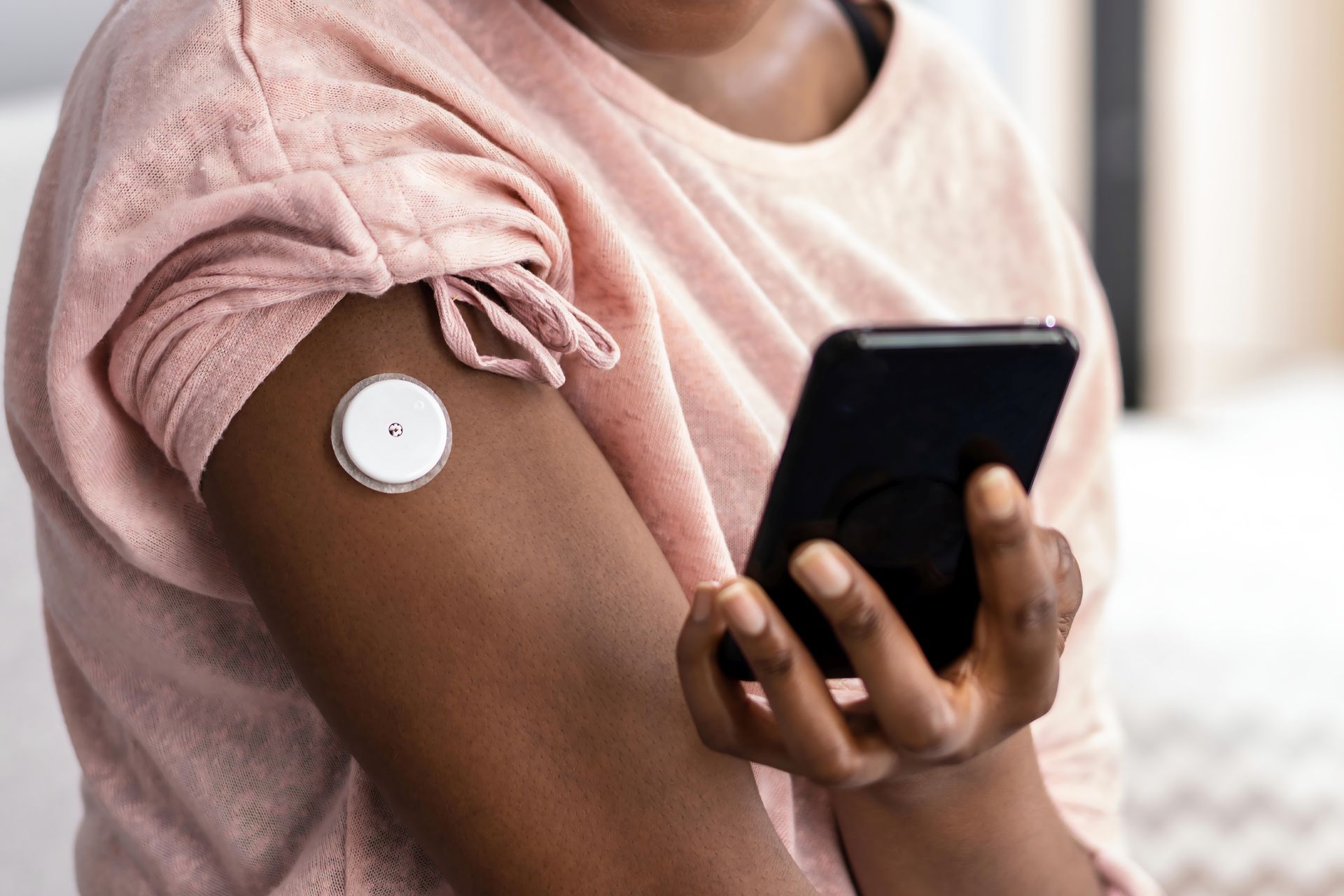
When it comes to medical device design, adhesives are fundamental. They determine whether a device can perform reliably, comfortably and safely against the skin. Biocompatible adhesives are engineered to maintain secure attachment while minimizing irritation, enabling devices to function effectively over extended wear times.
From glucose monitors and wearable sensors to wound dressings and ostomy pouches, adhesives are the quiet workhorses that hold everything together. This month, we’re taking a closer look at five of the most widely used categories: acrylics, silicones, hydrocolloids, hydrogels and rubber-based adhesives.
Why Biocompatibility Matters
Adhesives that come into contact with skin must pass rigorous testing to ensure they do not cause harm. Biocompatibility means the adhesive can be worn safely without causing reactions such as rashes, itching or burns. At the same time, adhesives must strike a balance—strong enough to hold through sweat, movement and temperature changes, yet gentle enough to remove without damaging skin.
That balance plays out differently depending on the chemistry:
- Acrylic adhesives excel in durability and long wear
- Silicone adhesives offer gentleness for fragile skin
- Hydrocolloids actively support healing by absorbing fluid
- Hydrogels deliver soothing comfort and conductivity
- Rubber-based adhesives provide quick tack and flexibility for short-term use
Acrylic Adhesives
Acrylic adhesives are known for their durability and strong bonding properties. They adhere well to both skin and device surfaces, making them ideal for long-term applications such as wearable monitors or extended-wear patches.
Key strengths include:
- Long-lasting adhesion for devices that must stay in place
- Resistance to moisture, sweat and environmental changes
- Breathability that reduces the risk of skin breakdown
Like EMI shielding materials, acrylic adhesives must perform under stress—whether that means keeping a sensor in place or blocking interference. But when strength and durability are too much for sensitive skin, silicone adhesives provide a gentler option.
Silicone Adhesives
Silicone adhesives are valued for their soft, gentle bond. They are easy to reposition and remove, making them the preferred choice for:
- Neonatal patients with delicate skin
- Elderly patients with fragile tissue
- Long-term users who need repeated applications without irritation
Much like thermal pads protect electronic components by absorbing stress, silicone adhesives protect skin from trauma while still providing dependable attachment. Compared to acrylics, which focus on durability, silicones stand out for their gentle, repositionable nature.
Together, they demonstrate how adhesives balance strength and skin-friendliness. But in some applications, the goal extends beyond attachment to creating a healing environment—and that’s where hydrocolloids come in.
Hydrocolloids
Hydrocolloids combine adhesion with therapeutic benefits. Made from gel-forming agents like pectin or gelatin, they not only keep devices in place but also interact with the skin. Hydrocolloids can:
- Absorb wound exudate
- Create a moist healing environment
- Cushion and protect delicate skin
Because of these properties, hydrocolloids are widely used in wound dressings and ostomy care, where secure adhesion and comfort are both critical. While silicones focus on skin-friendliness, hydrocolloids add healing support, making them ideal for therapeutic applications.
Hydrogels
Hydrogels are water-rich adhesives that provide cooling relief and gentle adhesion. They are especially useful for:
- Burn dressings that soothe damaged tissue
- Electrodes where conductivity is required
- Temporary devices that need a conforming, skin-friendly surface
Their high water content not only cools but also conducts, making hydrogels essential in therapeutic and diagnostic applications. By emphasizing cooling and conductivity, hydrogels complement hydrocolloids and highlight how biocompatibility continues to drive innovation.
Rubber-Based Adhesives
Rubber-based adhesives formulations offer high initial tack and flexibility, making them ideal for quick-adhesion needs where immediate stickiness is favored over long-term durability. Rubber-based adhesives are often used in medical applications that require conformability and fast bonding—such as bandages, wearable health monitors and drug-delivery patches—where flexibility and movement are key. They are especially useful for:
- Applications requiring quick initial adhesion
- Bandages and dressings that must flex with the body
- Drug-delivery patches designed for short wear durations
- Devices applied to low-surface-energy materials
- Temporary wearables that need high tack but easy removal
While they provide excellent immediate adhesion and comfort, rubber-based adhesives tend to have moderate resistance to heat and moisture and are best suited for short-term use. Compared to acrylics, which offer long-term durability and environmental resistance, rubber-based adhesives prioritize flexibility and fast bonding.
Industries Driving Innovation
Biocompatible adhesives play a critical role across industries, each with unique needs:
- Medical wearables: Enable continuous, long-term monitoring of vital signs
- Wound care: Provide comfort and support healing
- Ostomy care: Deliver secure, extended wear without compromising skin health
- Drug delivery: Ensure precise dosages through transdermal patches
In every case, adhesives must do more than just stick—they must balance comfort, durability and functionality. This demand for dual performance is shaping current applications and future innovations.
The Future of Biocompatible Adhesives
As healthcare moves toward personalization and home-based care, adhesives must evolve to meet new expectations. Development is focused on:
- Longer wear times without irritation
- Gentler removal for sensitive patients
- Sustainability through eco-friendly materials
- Integration with smaller, smarter devices
At Sur-Seal, we collaborate with leading suppliers to help manufacturers select the right adhesives for their devices. Whether strength, sensitivity, moisture management or flexibility is the priority, our solutions engineering team can identify and test adhesives that keep products performing—and patients comfortable.
Partnering for Better Adhesive Solutions
Let’s create what’s next in wearable technology and medical care. Contact us today to start building your custom adhesive solution.
 Kent Manufacturing is now integrated with Sur-Seal