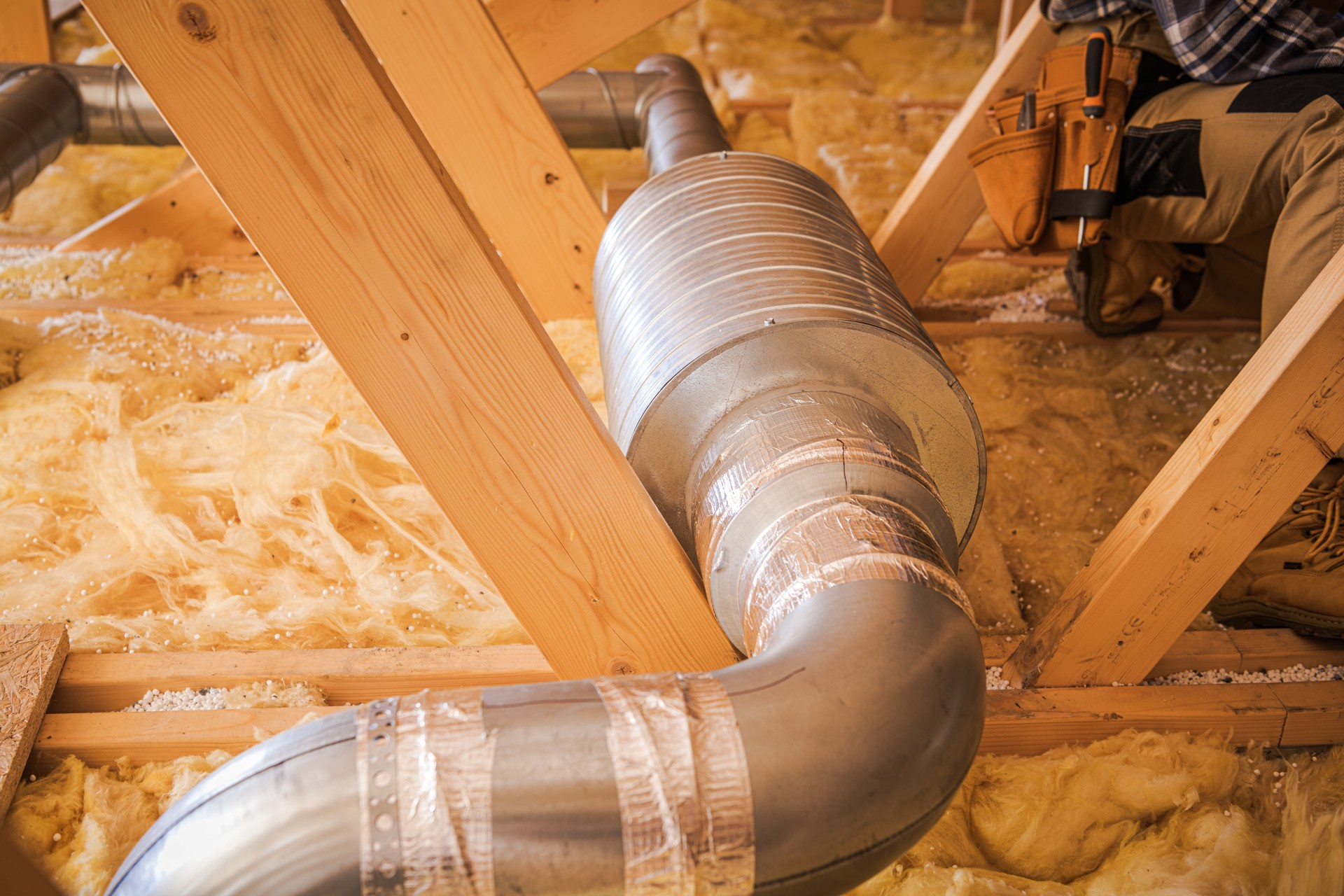
HVAC air duct sealing is one of the most effective ways to improve system efficiency, enhance airflow and reduce energy costs. Unsealed or leaking ducts can compromise performance, increase utility bills and strain HVAC equipment.
Whether you are an engineer, an OEM or a facilities professional, understanding how to properly seal HVAC ducts can significantly improve system longevity and indoor air quality. Sur-Seal supports HVAC manufacturers and contractors with advanced sealing and containment solutions engineered for performance and durability.
Why Sealing Your HVAC Ducts Is Important
Unsealed ductwork can account for significant energy loss in commercial and industrial buildings. In many facilities, air leakage through gaps, seams and poorly sealed connections can waste a substantial percentage of conditioned air before it even reaches its destination. This directly increases utility bills and forces HVAC systems to work harder than necessary.
When air escapes through leaks, the system must compensate by running longer cycles to maintain temperature consistency. Over time, this increases operating costs and accelerates equipment wear.
Proper HVAC air duct sealing delivers measurable benefits:
- Reduced energy costs
- Improved airflow
- Enhanced indoor air quality
- Reduced equipment wear
- More consistent temperature distribution
Sealing ducts ensures that conditioned air reaches its intended location efficiently, supporting long-term performance and system reliability.
Common Signs Your HVAC Ducts Need Sealing
Indicators that duct sealing may be required include:
- Fluctuating room temperatures
- High energy bills
- Excessive dust accumulation
- Weak airflow from vents
- Noticeable air leaks at seams
Routine inspections can help detect minor leaks before they become major efficiency problems.
Tips for Identifying Duct Leaks
To determine whether your system requires HVAC air duct sealing, consider the following inspection methods:
- Visually inspect exposed ductwork for disconnected joints, loose fittings or gaps at seams
- Feel for escaping air around connections while the system is running
- Look for visible dust streaking near joints, which can indicate air leakage
- Use a smoke pencil or incense stick to detect air movement around seams
- Monitor airflow performance before and after adjustments
Even small leaks can reduce overall system efficiency. In commercial and industrial environments, cumulative leakage can significantly impact airflow balance, system performance and energy costs. Routine inspections and proactive sealing help maintain consistent airflow, improve energy efficiency and extend equipment lifespan.
Tools and Materials Needed to Seal HVAC Ducts
Several HVAC air duct-sealing methods are available, depending on the application.
Common materials include:
Mastic Sealant
A thick, paste-like compound designed to seal larger gaps and irregular seams. Apply using a brush or gloved hand, spreading a continuous layer over joints and connections. Allow adequate curing time based on the manufacturer’s specifications before operating the system.
Aluminum Foil HVAC Tape
A pressure-sensitive tape used for sealing smaller cracks and straight seams. Clean and dry the duct surface before application. Press the tape firmly along the seam to ensure full adhesion and eliminate air pockets.
Insulation Wrap
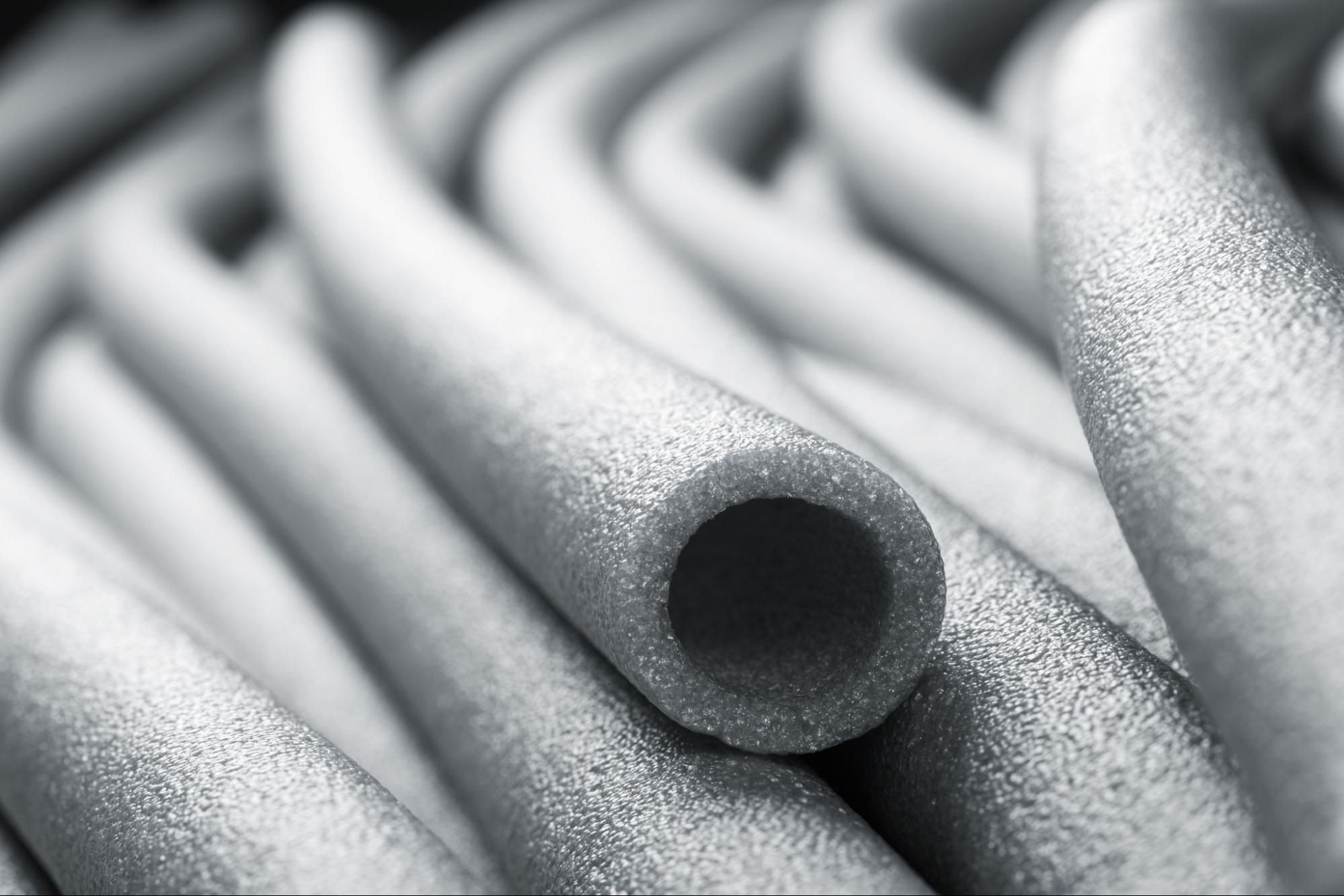
Typically, fiberglass or foam-based insulation is used to reduce thermal loss and prevent condensation. Wrap insulation tightly around sealed ducts and secure it using foil tape or mechanical fasteners to maintain coverage and prevent shifting.
Mechanical Fasteners
Sheet metal screws or clamps are used to secure duct sections before applying sealant. Fasteners should be installed first to stabilize the joint, followed by mastic or foil tape to create an airtight seal.
Mastic sealant is typically used for larger gaps, while foil tape is suitable for smaller cracks and seams. Using both in combination with proper fastening provides the most reliable long-term HVAC air duct sealing performance.
Learn more about our HVAC sealing solutions: https://www.sur-seal.com/services/sealing-containment/
How to Seal HVAC Ducts: A Step-by-Step Guide
- Turn Off the HVAC System: Always shut down the system before beginning work.
- Inspect the Ducts: Visually examine joints, seams and connections. Use airflow tests, if needed.
- Clean the Duct Surface: Remove dust and debris to ensure proper adhesion of sealing materials.
- Seal the Leaks: Apply mastic sealant to larger gaps and foil tape to smaller seams.
- Test the Seals: Turn the system back on and confirm improved airflow and reduced leakage.
- Insulate the Ducts: Adding insulation improves energy efficiency and prevents condensation.
Best Practices for Long-Term Duct Sealing
Consistent airflow depends on maintaining proper containment across the entire duct system. Best practices include:
- Conducting regular inspections
- Addressing leaks promptly
- Using high-quality, durable sealing materials
- Ensuring compatibility between insulation and sealing products
Proper sealing eliminates hot and cold spots and promotes balanced air distribution throughout facilities.
HVAC Air Duct Sealing Methods: DIY or Professional Service?
For small residential repairs, DIY duct sealing may be sufficient. However, complex commercial systems often require professional solutions to ensure lasting performance. Custom-engineered sealing materials provide greater durability, consistency and efficiency, particularly in industrial HVAC environments. Sur-Seal’s custom sealing solutions support both DIY users and professional contractors.
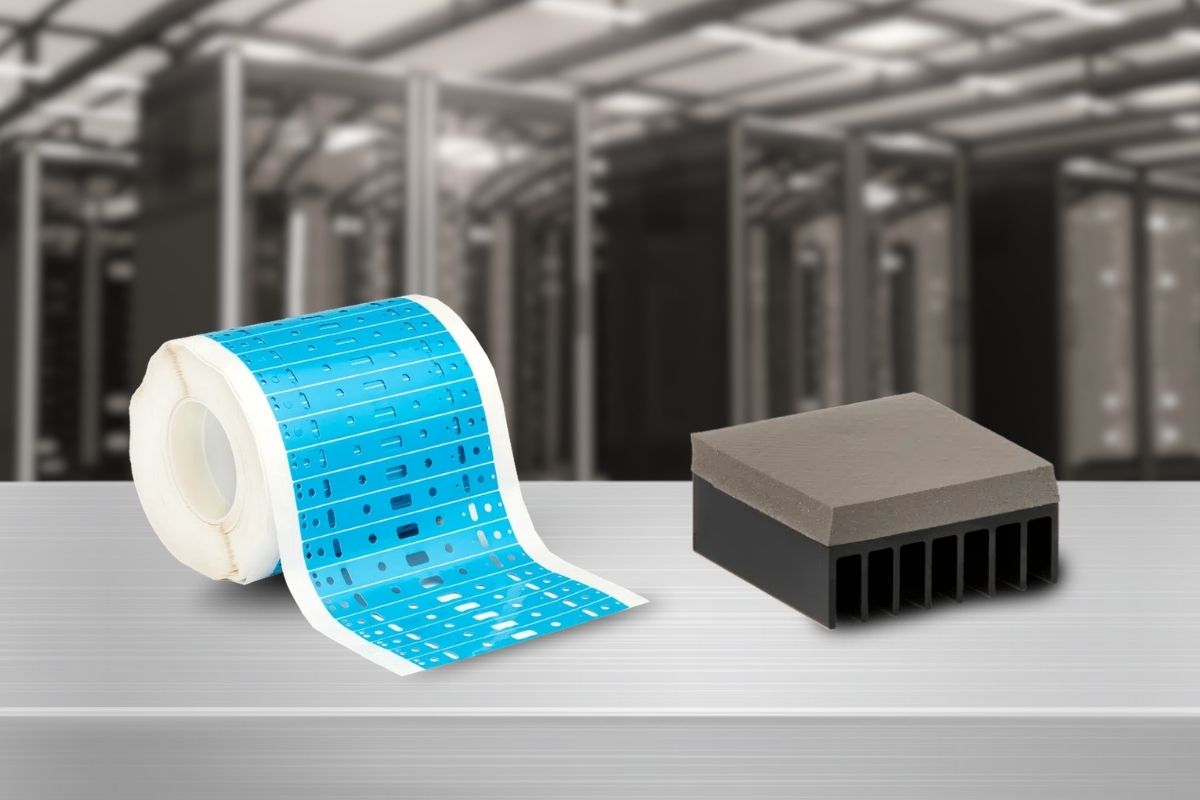
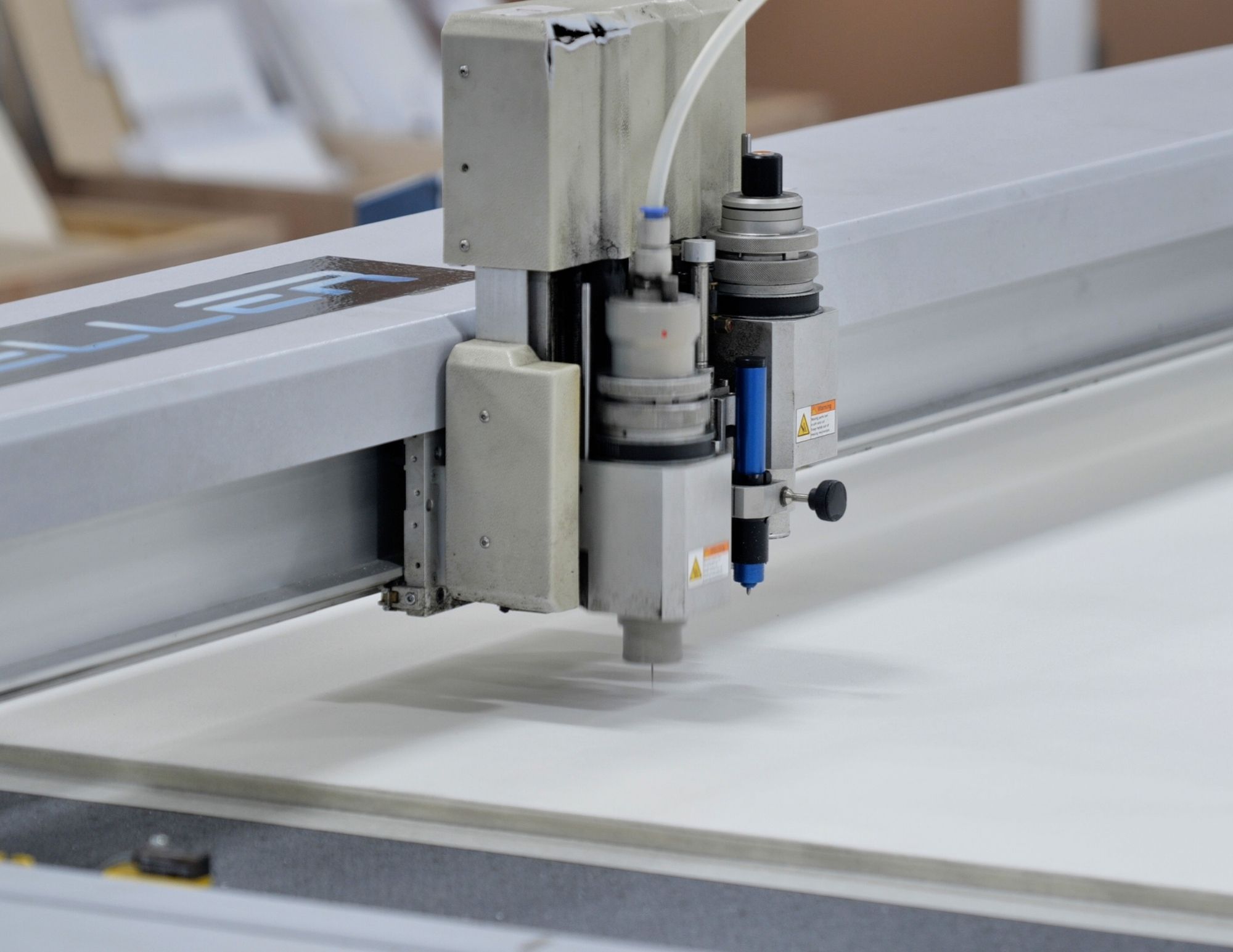
For individuals addressing straightforward repairs, high-quality materials and clear guidance improve reliability and long-term performance. For engineers, OEMs and HVAC professionals, Sur-Seal delivers precision-cut gasketing, foam components and containment solutions designed to meet demanding airflow, durability and performance standards.
Whether the application is residential improvement or large-scale optimization, Sur-Seal provides the expertise and material solutions to ensure effective HVAC air duct sealing.
Choose Sur-Seal’s HVAC Duct Sealing Solutions
Sur-Seal delivers high-performance sealing and containment solutions for HVAC systems across commercial and industrial markets. Our materials improve efficiency, reduce air leakage and support long-term system reliability.
Explore our sealing and containment solutions or request a consultation today!
 Kent Manufacturing is now integrated with Sur-Seal