Vibration is an unavoidable byproduct of mechanical motion. Motors, rotating components and external environmental forces all generate vibration that travels through structures and assemblies.
While some vibration is expected, uncontrolled vibration can create serious problems. Micro-oscillations can introduce sensor noise in medical devices, reduce accuracy in precision equipment and accelerate structural fatigue in aerospace components. Over time, these forces can shorten product life, increase maintenance costs and lead to system failure.
Vibration dampening helps engineers manage these risks by controlling how energy moves through materials and structures. In this article, we’ll explain the physics behind vibration dampening, the difference between dampening and isolation and how engineers select materials that protect sensitive equipment.
What is Vibration Dampening?
Vibration dampening is the process of reducing vibration by absorbing and dissipating energy. To understand this concept, it helps to compare a spring and a damper. A spring stores energy and releases it back into the system. When compressed, it rebounds and continues the oscillation.
A damper behaves differently. Instead of storing energy, it converts the motion into another form of energy, such as heat. This removes energy from the system and reduces vibration over time. Effective dampening materials prevent repeated oscillation and stabilize mechanical systems.
Energy Management – The “Why”
Energy cannot be destroyed. It can only be converted into other forms. When vibration occurs, kinetic energy travels through materials and components. Without dampening, this energy continues moving through the system, amplifying resonance and creating mechanical stress.
Dampening materials convert that kinetic energy into very small amounts of heat. By dispersing this energy, dampening materials reduce destructive vibration before it damages equipment.
For engineers and manufacturers, proper energy management can prevent:
- Sensor noise and inaccurate readings
- Structural fatigue and cracking
- Premature component failure
- Excessive system noise
Viscoelasticity – The “Secret Sauce”
Many effective vibration-damping materials are viscoelastic. Viscoelastic materials behave partly like solids and partly like liquids. This allows them to maintain their shape while still absorbing energy during deformation.
When vibration compresses the material, internal molecular friction dissipates energy. This unique behavior enables specialized materials, such as PORON® polyurethane foam and engineered silicone, to outperform conventional rubber in vibration-control applications. These materials maintain structural integrity while reducing vibration energy.
The Hysteresis Loop – The “Energy Lag”
Another important concept in vibration damping is hysteresis. When a material is compressed and released, it does not return all the stored energy to the system. Some of that energy is lost due to internal friction.
This delay between compression and recovery is known as hysteresis. That “lost” energy is actually the vibration being removed from the system. Materials with strong hysteresis characteristics are highly effective for vibration dampening because they prevent energy from returning into the structure.
Why Vibration Control is Critical Across Industries
Vibration control is essential in many high-performance environments where reliability and accuracy are critical.
| Preventing Material Fatigue |
Repeated vibration can cause material fatigue over time.
When components experience resonance, even small vibrations can amplify into destructive forces. These forces create micro-fractures that eventually lead to cracking or component failure.
Dampening materials smooth out these vibration peaks and distribute energy more evenly throughout the structure. |
| Precision in High-Stakes Markets |
In industries such as medical technology and aerospace, vibration can compromise system performance.
Diagnostic equipment relies on extremely precise sensors. Even small vibrations can introduce jitter or measurement errors that affect data accuracy.
Similarly, aerospace systems experience constant vibration during flight. Avionics and control systems must remain protected from high-frequency vibration that can interfere with electronics or structural components.
Dampening materials help stabilize these systems and ensure reliable performance. |
| Noise Reduction (NVH) |
Vibration is closely connected to acoustics.
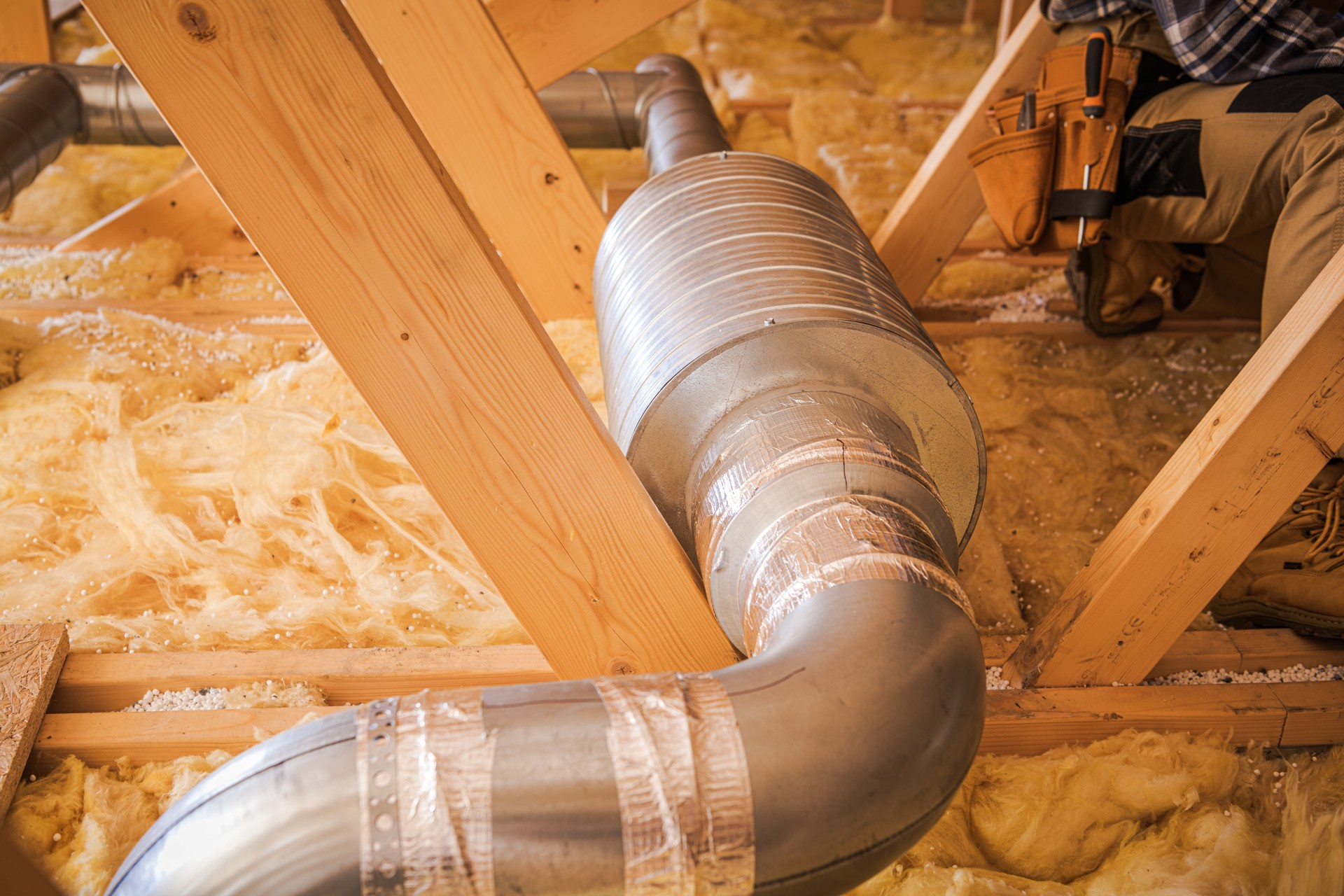
Thin materials, such as metal panels or HVAC ductwork, can behave like speakers when exposed to vibration. These surfaces amplify vibration into audible noise.
Damping materials reduce vibration before it turns into sound. This improves NVH performance (e.g., Noise, Vibration, and Harshness) in many mechanical systems. |
Vibration Damping vs Isolation – The Critical Difference
Although the terms are often used together, vibration damping and vibration isolation serve different purposes.
Vibration isolation prevents vibration from traveling between components. Isolation materials decouple equipment from the surrounding structure (e.g., rubber mounts placed under motors prevent vibration from transferring into the equipment frame), and isolation blocks vibration transmission.
Vibration damping removes energy from existing vibrations within a component (e.g., a damping pad applied to a metal housing absorbs vibration energy already present in that structure), and instead of blocking vibration, it eliminates it.
When to Use Both
Many high-precision systems use both isolation and damping. Isolation prevents external vibration from entering the system, while damping reduces vibration generated within the equipment. This combined approach provides optimal vibration control in complex assemblies.
Common Techniques for Vibration Damping
Engineers use several methods to integrate damping materials into products:
- Unconstrained Layer Damping (ULD): Unconstrained layer damping involves applying a single sheet of damping material to a vibrating surface. The material absorbs vibration energy as the surface flexes. This technique is commonly used for simple noise reduction applications. ULD works well for thin panels and lightweight structures.
- Constrained Layer Damping (CLD): Constrained layer damping uses a sandwich structure. A viscoelastic damping material sits between two rigid layers. When vibration occurs, the layers induce shear deformation in the damping material. This shear motion dissipates much more energy than simple compression. As a result, CLD systems offer significantly higher vibration reduction.
High-Performance Damping Materials
Material selection is critical when designing vibration control solutions.
| PORON® Polyurethane Foams |
PORON® polyurethane foams are widely used for vibration dampening due to their durability and performance stability.
These foams resist compression set, which means they retain their original thickness and performance even after years of repeated compression.
This reliability makes them ideal for long-life applications.
Learn more about our Custom PORON® Foam Manufacturing Solutions |
| Specialized Elastomers |
Several elastomer materials provide excellent damping properties:
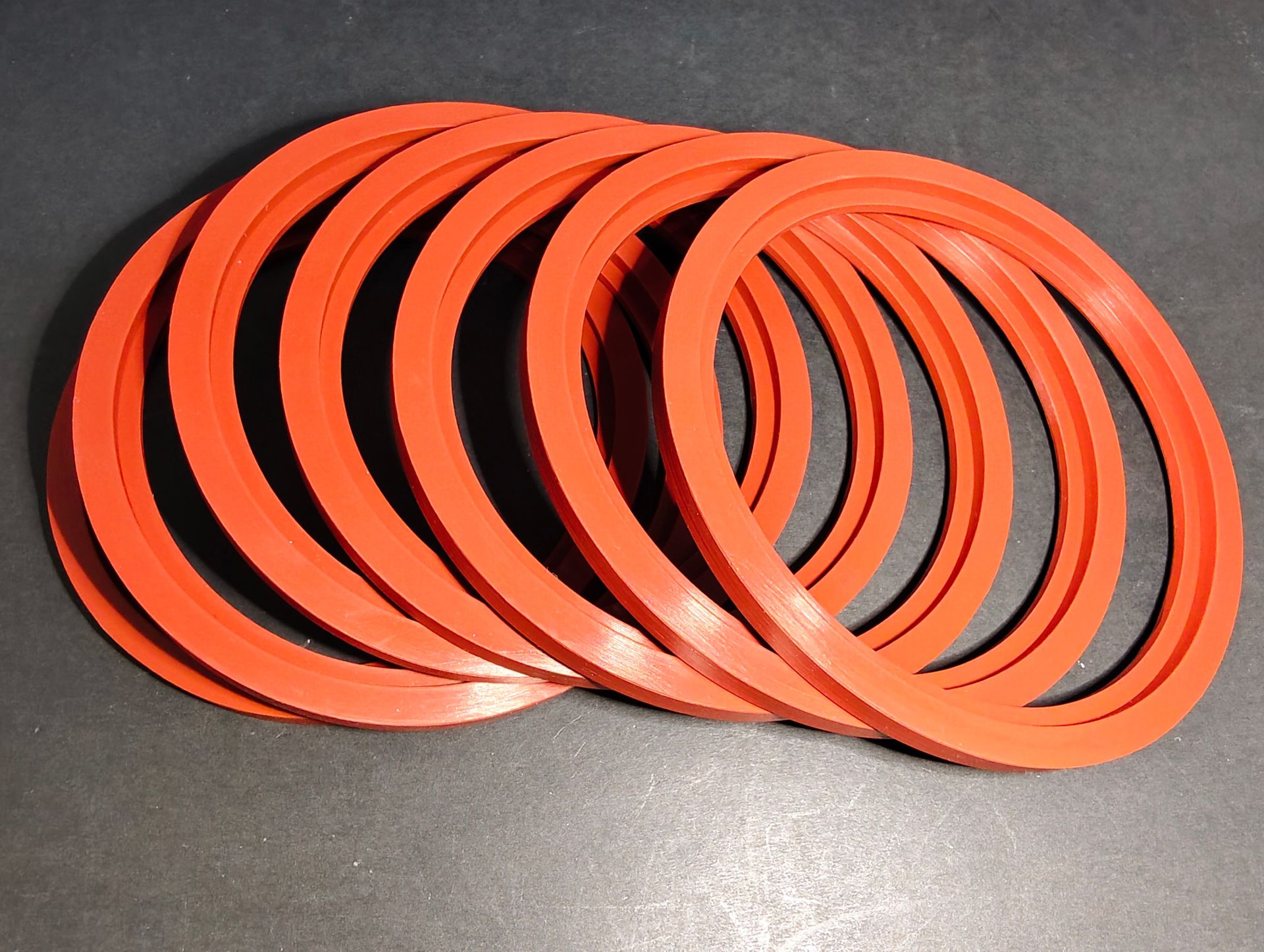
- Silicone offers exceptional temperature stability, making it suitable for aerospace and medical applications.
- EPDM and meoprene provide durability in outdoor environments and HVAC systems where moisture and weather resistance are required.
|
| PVC Foams |
PVC foam materials provide a combination of light-vibration damping and sealing performance.
These materials are often used in HVAC, electronics and enclosure applications where both vibration reduction and environmental sealing are required. |
Custom Vibration Solutions from Sur-Seal
Effective vibration control requires the right combination of materials, engineering and precision manufacturing. Sur-Seal works with engineers and OEMs to design vibration solutions tailored to specific applications and performance requirements.
- Engineering and Design Support: Our engineering team helps customers identify the right material density, thickness and structure to address specific vibration frequencies.
- Precision Fabrication: We produce custom vibration components using advanced converting capabilities such as die cutting. We also use laser inspection and optical verification to ensure components meet the tight tolerances required for sensitive assemblies.
- Simplified Supply Chain: Sur-Seal also offers custom assembly and kitting services that reduce vendor complexity and streamline production workflows.
Talk to an Expert
Whether you need vibration control for medical equipment, aerospace systems or industrial machinery, Sur-Seal can help identify the right material solution.
Contact our team today to discuss your application.
 Kent Manufacturing is now integrated with Sur-Seal