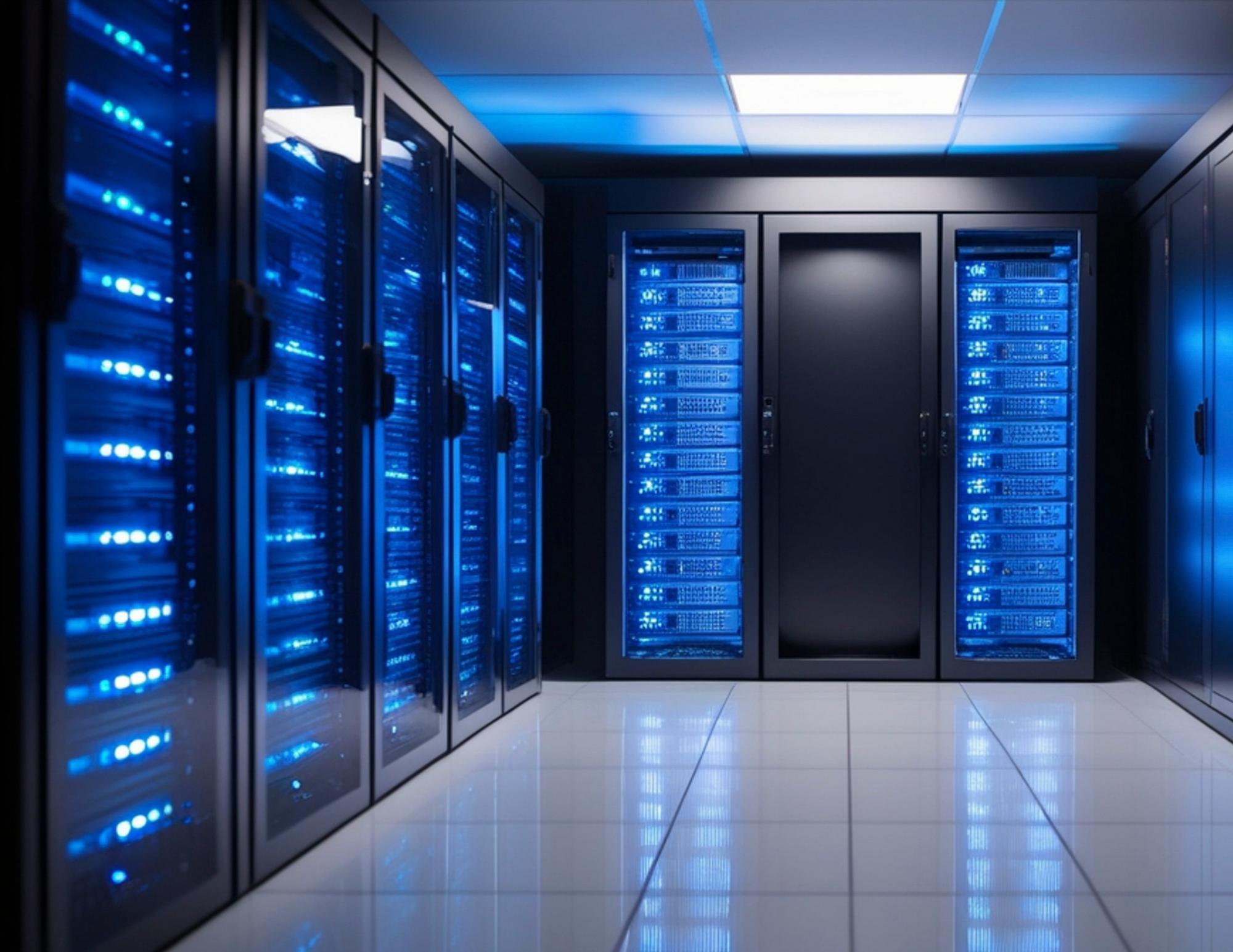
Modern data centers support everything from cloud computing and enterprise applications to AI infrastructure and global communications networks. As server environments become more powerful and densely packed, the infrastructure housing that equipment plays a critical role in performance, uptime, cooling efficiency and environmental protection.
While server racks are commonly associated with hardware organization, they also influence airflow management, thermal performance, EMI shielding and protection against dust, moisture and environmental contaminants. As data center infrastructure evolves, engineers increasingly evaluate both the hardware inside the rack and the environmental conditions surrounding it.
Organizations evaluating infrastructure upgrades often partner with providers like Sur-Seal, which specializes in server manufacturing services and data center sealing solutions to support long-term equipment reliability and operational performance.
What Is a Server Rack?
A server rack is a standardized metal frame or enclosed cabinet used to organize, mount and protect IT equipment such as servers, switches, patch panels and power distribution units within a data center or server room. Server racks are measured in rack units (U), with each U representing 1.75 inches of vertical space.
Most server racks feature mounting rails that allow equipment to be stacked vertically. Depending on the application, racks may be open-frame systems or fully enclosed cabinets with doors and side panels.
The primary purpose of a server rack is to:
-
equipment density
- Improve cable organization
- Simplify maintenance access
- Support airflow and cooling
- Protect hardware from environmental conditions
- Standardize equipment installation
Understanding Rack Units (U)
Rack units help IT teams calculate equipment capacity and plan for future scalability.
- A 1U server occupies 1.75 inches of rack space
- A 2U server occupies 3.5 inches
- A 4U server occupies 7 inches
Common rack heights include 12U, 24U, 42U and 48U, while the standard rack width is typically 19 inches.
Standard Rack Depths
Typical depth categories include:
- 600 mm (23.6 in)
- 800 mm (31.5 in)
- 1000 mm (39.4 in)
- 1200 mm (47.2 in)
Depth impacts:
- Rear‑door heat exchanger compatibility
- Cable bend‑radius management
- Space for PDUs and power routing
- Fit for deep servers (e.g., GPU or AI systems)
What’s Inside a Server Rack?
Server racks house a range of IT and networking components designed to support compute, power distribution, cooling and cable management.
Servers
Servers are the primary compute hardware inside a rack. Rack-mounted servers are commonly available in 1U or 2U form factors, allowing organizations to maximize compute density within a limited footprint.
As server density increases, thermal output also rises. High-performance environments often require advanced thermal management materials to maintain stable operating temperatures.
Switches and Routers
Switches and routers manage communication between servers, storage systems and external networks. Managed switches allow administrators to monitor and troubleshoot network performance remotely.
Patch Panels
Patch panels act as centralized cable termination points within a structured cabling system. They improve organization, simplify troubleshooting and support long-term serviceability.
Power Distribution Units (PDUs)
PDUs distribute electrical power throughout the rack. Advanced models may include:
- Outlet-level monitoring
- Remote switching capabilities
- Load balancing features
- Environmental monitoring integration
Many enterprise environments use redundant power feeds to improve uptime and reduce outage risks.
Cable Management
Horizontal and vertical cable managers help organize power and data cables while preventing airflow obstruction. Proper cable management improves maintenance access and cooling efficiency.
Blanking Panels
Blanking panels cover unused rack spaces to improve airflow control. Without them, hot exhaust air can recirculate toward intake equipment, reducing cooling efficiency and increasing thermal stress.
KVM Switches
KVM switches — short for keyboard, video and mouse switches — allow administrators to manage multiple servers from a single console.
Environmental & Smart Monitoring
Modern racks may include:
- Temperature & humidity sensors
- Door‑open sensors
- Intelligent PDUs
- DCIM platform integration
Types of Server Racks
Open Frame Racks
Open frame racks provide maximum airflow and easy equipment access, ideal for secured rooms with controlled climates. However, they offer little protection against dust, moisture, accidental contact or electromagnetic interference.
Enclosed Cabinet Racks
Enclosed racks include doors and side panels that help protect equipment from environmental conditions and unauthorized access.
Because airflow pathways become more controlled inside enclosed racks, engineers must consider:
- Air intake and exhaust management
- Thermal performance
- Door ventilation
- Cable entry sealing
- IP-rated environmental protection
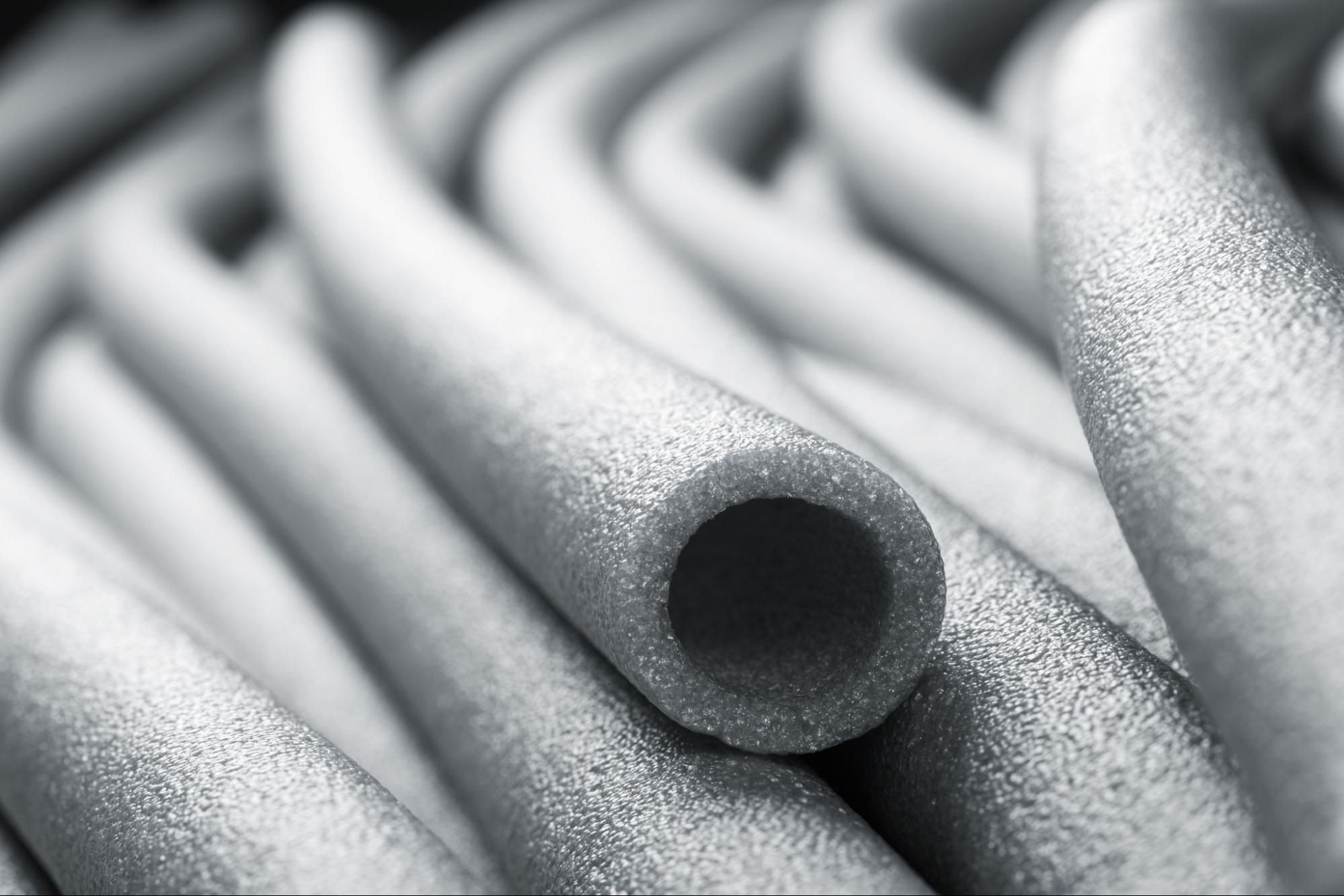
Proper gasket sealing can help reduce dust and moisture ingress in demanding environments.
Wall-Mount Racks
Wall-mount racks are designed for smaller deployments with limited floor space, such as telecommunications closets and small network rooms.
Blade Server Enclosures
Blade server systems consolidate multiple server blades into a single enclosure to maximize compute density. These systems generate significant heat loads, making airflow optimization and heat dissipation especially important.
Protecting What’s Inside: Environmental and Thermal Considerations
Environmental protection and thermal management are just as important as hardware capacity.
Heat
Servers generate substantial heat during operation. Without proper airflow management, excessive heat can shorten component lifespan and increase the likelihood of failures.
Modern data centers often use hot-aisle and cold-aisle layouts to separate cooled intake air from hot exhaust air. Rack airflow management strategies may include:
- Blanking panels
- Ventilated doors
- Cable management optimization
- Airflow containment systems
- Thermal interface materials
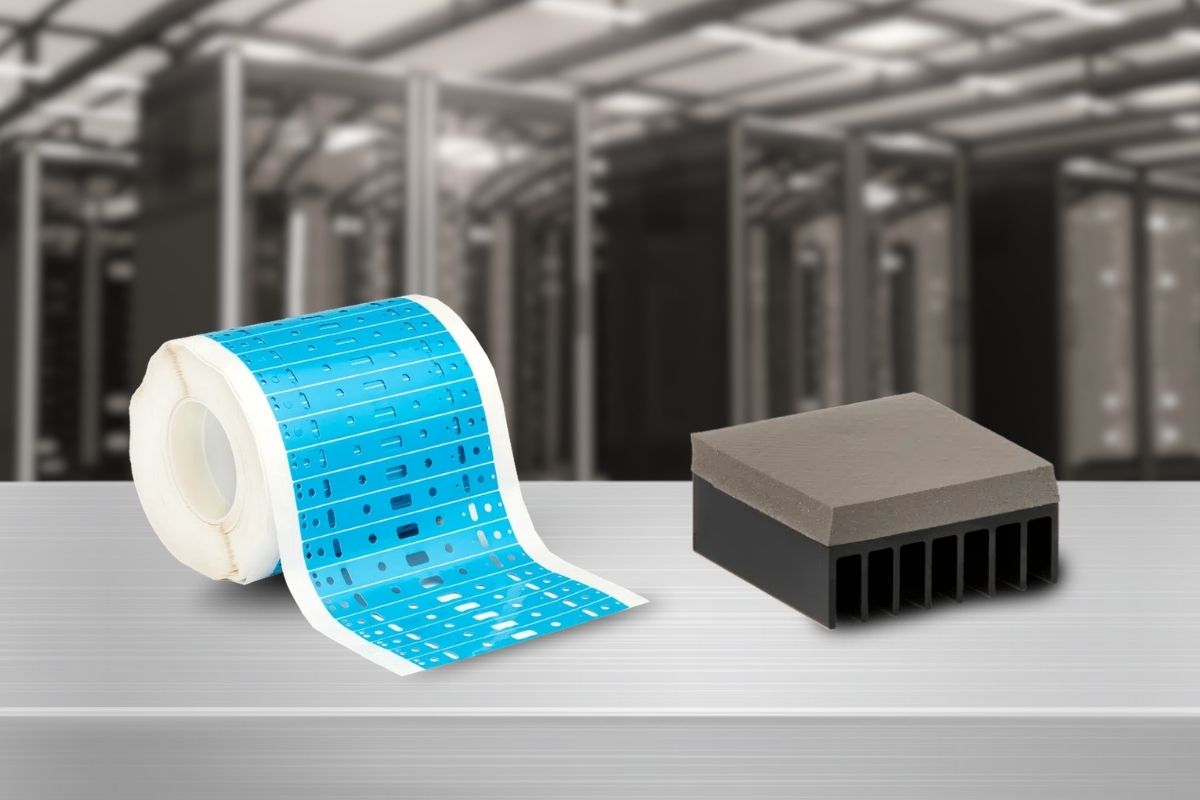
Thermal management materials, such as gap pads and phase change materials, help transfer heat away from sensitive components.
Dust and Particulates
Dust and airborne contaminants can obstruct airflow and contribute to overheating, particularly in industrial facilities, manufacturing environments and outdoor cabinet installations.
Engineers may specify IP-rated enclosures and environmental sealing solutions to help protect sensitive equipment from contaminant ingress.
EMI/RFI
Electromagnetic interference (EMI) and radio frequency interference (RFI) can disrupt sensitive electronic systems. Conductive gaskets and EMI shielding materials help minimize interference and maintain signal integrity.
Humidity, Vibration & Fire Suppression
- Maintain proper humidity ranges
- Control vibration in industrial settings
- Ensure rack compatibility with suppression systems like FM‑200 or Novec 1230
Weight Distribution, Rail Kits & Stabilization
Modern servers can be extremely heavy.
Best Practices
- Use OEM‑approved rail kits for proper weight support
- Secure racks with anti‑tip brackets
- Use leveling feet over casters for long‑term stabilization
- Verify floor load capacity, especially in raised‑floor environments
Cable Management Standards
Structured cabling improves performance and serviceability.
Recommendations
- Follow TIA‑606 labeling standards
- Use color coding for cable types
- Label cables at both ends
- Maintain bend‑radius requirements
- Keep data and power routing separated when possible
Grounding & Bonding Requirements
Proper grounding reduces electrical noise and improves safety.
Systems should include:
- Grounding busbars
- Bonded ladder racks and trays
- Bonded PDUs and equipment rails
- Compliance with NEC and TIA standards
How to Choose the Right Server Rack
Selecting the right server rack involves more than measuring available space. Organizations should evaluate both current requirements and future scalability.
Capacity Planning
Calculate the rack units required for current equipment while leaving room for future growth. Many organizations recommend maintaining at least 20% additional rack capacity.
Power and Cooling
Power distribution and cooling requirements should be evaluated before deployment. This includes:
- PDU configuration
- Power redundancy
- Airflow management
- Cooling infrastructure
- Heat load calculations
- Compatibility with in-row or liquid cooling (if applicable)
Environment
The deployment environment significantly impacts rack selection.
- Open office server rooms may use open-frame racks
- Enterprise data centers often use enclosed cabinets
- Industrial or edge deployments may require IP-rated protection and advanced sealing systems
Budget
Open frame racks are typically less expensive than enclosed cabinets, but the total cost of ownership extends beyond the initial purchase price.
Closing Thoughts
Server racks are the foundation of modern IT infrastructure, supporting the servers, networking hardware, power systems and airflow management technologies that keep businesses operational.
While hardware organization is a core function of server racks, long-term reliability also depends on environmental protection, airflow optimization, thermal management and EMI shielding considerations.
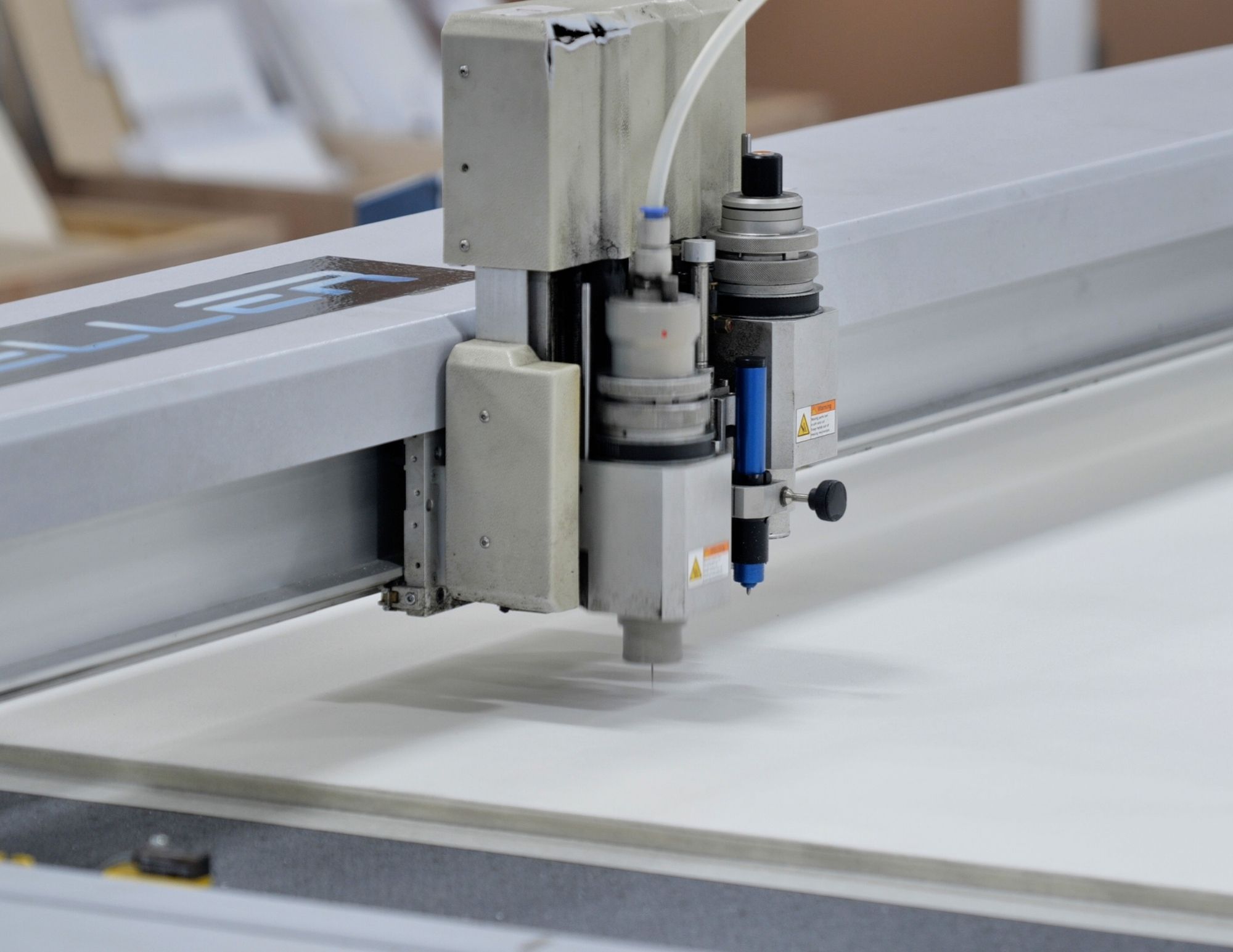
If you’re specifying sealing, thermal management or EMI shielding components for server racks or data center applications, Sur-Seal’s engineering team can help support your application requirements with engineered materials and converting solutions.
Frequently Asked Questions
 Kent Manufacturing is now integrated with Sur-Seal