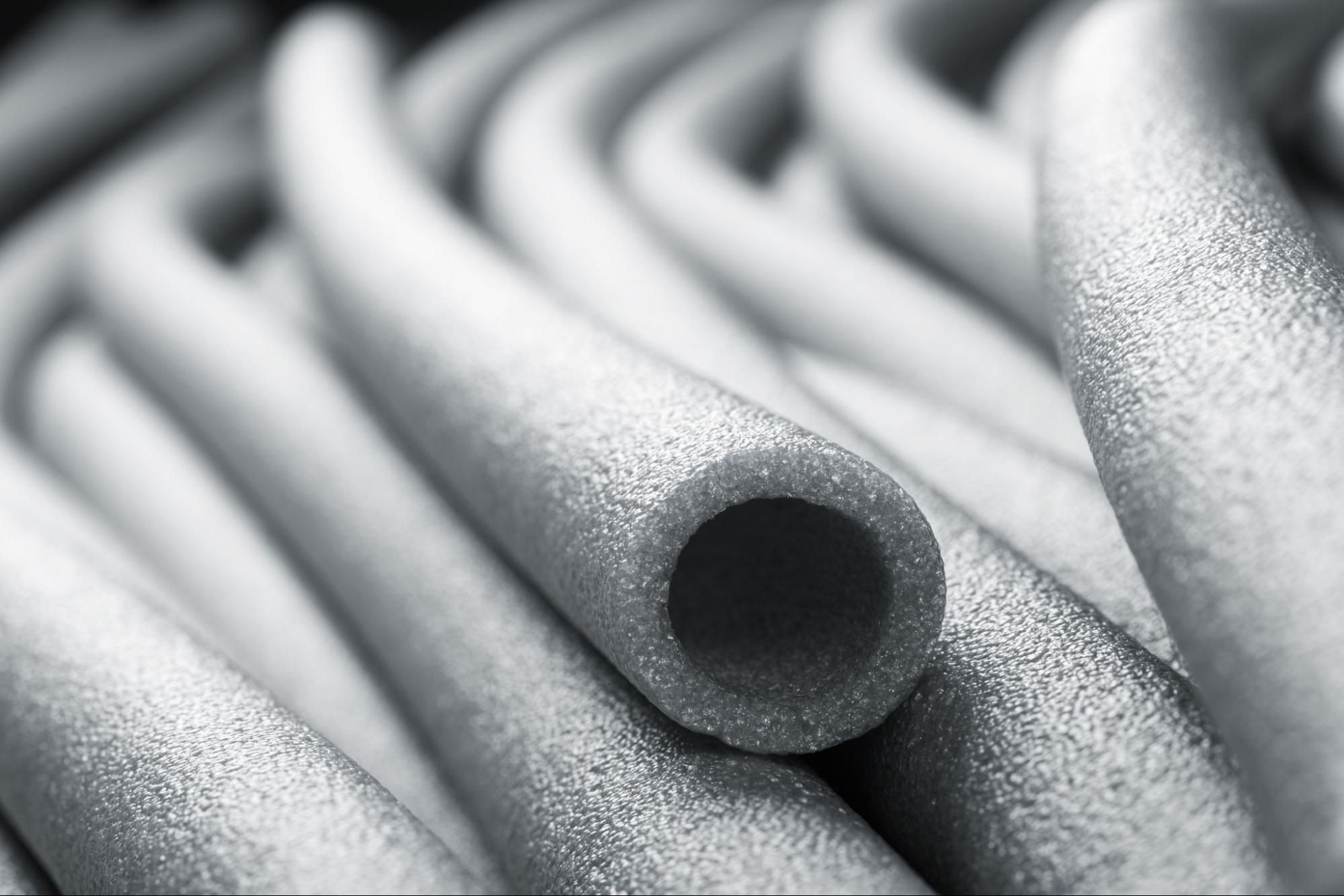
Selecting the right pipe insulation material can have a significant impact on system performance, energy efficiency and long-term operating costs. Whether you’re designing HVAC equipment, specifying industrial piping or sourcing materials for a commercial application, understanding the differences between rubber and foam insulation is essential.
Both materials are widely used across industries, but each offers distinct advantages depending on environmental conditions, temperature requirements and budget considerations.
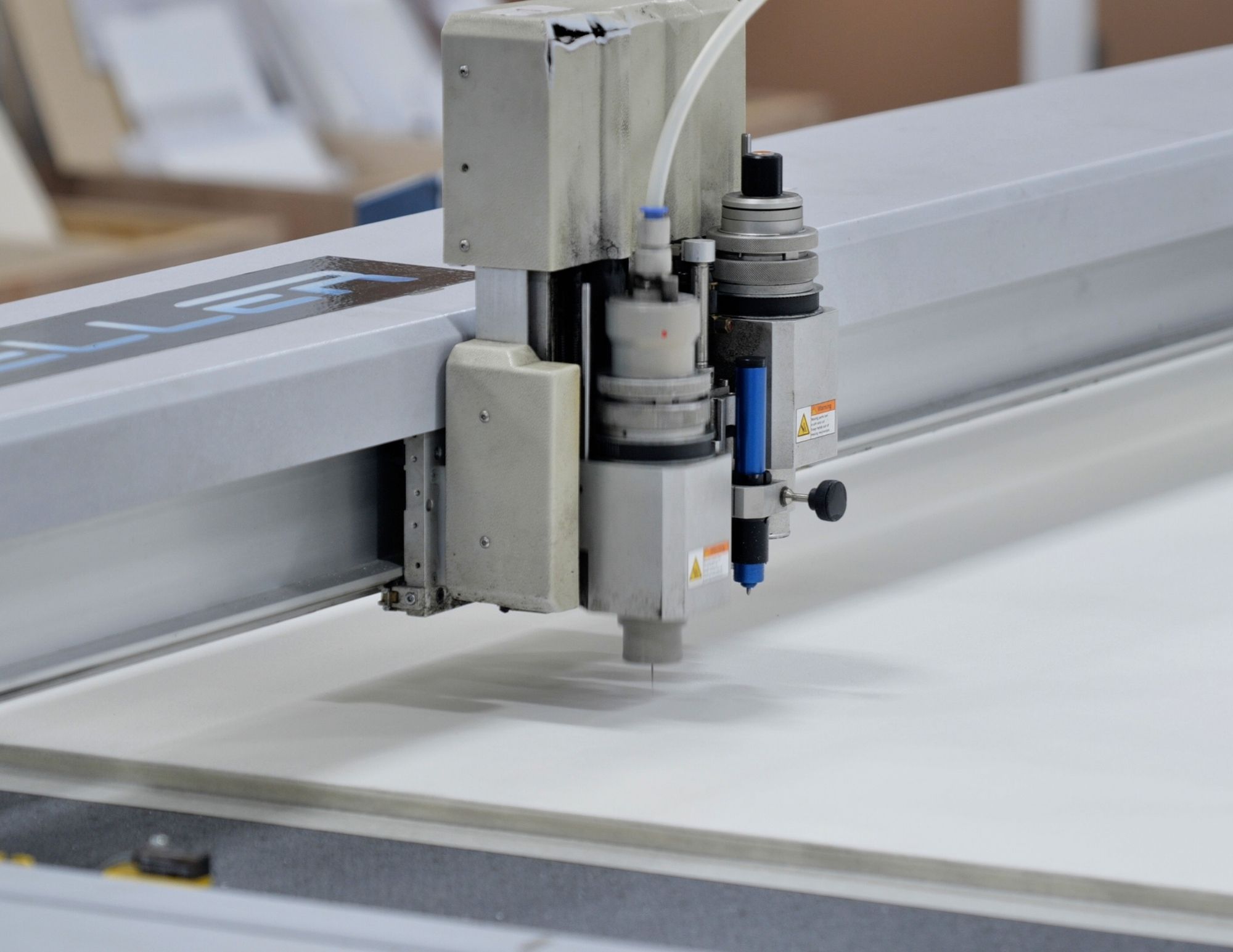
At Sur-Seal, we help OEMs, engineers and manufacturers identify the best insulation materials for their applications. As a custom converter of both rubber and foam materials, we provide engineered solutions tailored to performance requirements, installation needs and production specifications.
What is Rubber Pipe Insulation?
Rubber pipe insulation is a flexible, closed-cell insulation material designed to reduce heat transfer, control condensation, and protect piping systems from environmental exposure. It is commonly manufactured from elastomeric materials such as EPDM, Buna-N and Neoprene.
Because of its closed-cell structure, rubber insulation offers excellent resistance to moisture infiltration while maintaining flexibility across a wide range of temperatures.
Key benefits of rubber pipe insulation include:
- Strong moisture and vapor resistance
- Excellent flexibility around bends and fittings
- Resistance to temperature extremes
- Long service life in demanding environments
- Reduced risk of condensation-related issues
Rubber insulation is frequently used in:
- Commercial HVAC systems
- Refrigeration lines
- Chilled water systems
- Industrial processing piping
- Mechanical rooms
Sur-Seal supplies a broad range of custom-converted rubber materials, including EPDM, Buna-N and Neoprene, manufactured to meet specific insulation and sealing requirements.
Learn more about our wide variety of rubber types.
What is Foam Pipe Insulation?
Foam pipe insulation is a lightweight insulation solution commonly manufactured from materials such as polyethylene, polyurethane and other engineered foam formulations. Foam insulation is valued for its ease of installation, cost-effectiveness and thermal performance in many standard operating environments.
Many foam insulation products are available in closed-cell configurations, helping reduce heat transfer while maintaining low weight and installation complexity.
Benefits of foam pipe insulation include:
- Lightweight construction
- Easy installation
- Cost-effective material options
- Good thermal insulation properties
- Availability in various densities and thicknesses
Foam insulation is commonly used for:
- Residential plumbing systems
- Light commercial piping
- Chilled water lines
- Indoor HVAC applications
- General-purpose insulation projects
Sur-Seal offers a wide range of custom foam materials, including closed-cell, open-cell and cross-linked foam solutions designed to meet specific performance requirements.
Learn more about our foam materials in custom formats.
Comparing Rubber vs Foam for Pipe Insulation
When evaluating pipe insulation for foam and rubber, several performance factors should be considered:
| Performance Factor |
Rubber Insulation |
Foam Insulation |
| Thermal Performance |
Excellent |
Good to excellent |
| Moisture Resistance |
Excellent |
Good to very good |
| Flexibility |
Excellent |
Moderate |
| Durability |
Excellent |
Moderate to good |
| Temperature Range |
Wide operating range |
More limited, depends on the material |
| Installation |
Easy around complex shapes |
Easy for straight runs |
| Cost |
Higher upfront investment |
Lower upfront cost |
Moisture Resistance
Rubber insulation typically provides superior resistance to moisture intrusion and condensation because of its closed-cell elastomeric structure. This makes it especially valuable in chilled water systems and refrigeration applications.
Durability and Longevity
Rubber insulation generally offers greater durability when exposed to vibration, mechanical stress and outdoor conditions. Foam materials can perform exceptionally well indoors but may degrade more quickly in harsh environments, depending on the material type.
Flexibility
Rubber materials are highly flexible and easier to install around valves, fittings and irregular pipe geometries. Foam products can be effective for simpler installations but may not conform as easily to complex configurations.
Costs
Foam insulation is often the more economical option from an initial purchase perspective. For budget-sensitive projects, foam may provide sufficient performance without the higher upfront investment associated with rubber materials.
When to Use Rubber Insulation
Rubber insulation is often the preferred choice when performance and durability are critical.
You may want to consider rubber insulation when your application involves:
- Outdoor exposure
- Wide temperature fluctuations
- Refrigeration systems
- Condensation control requirements
- High-humidity environments
- Vibration-prone equipment
- Long-term service expectations
Common applications include commercial HVAC systems, refrigeration lines, industrial piping and mechanical rooms where reliability is essential.
Sur-Seal provides precision die-cut rubber components for HVAC that help support performance in HVAC, industrial and commercial applications.
When to Choose Foam Insulation
Foam insulation is often the right solution for applications where affordability, ease of installation and lightweight construction are top priorities.
Foam insulation is commonly selected for:
- Residential plumbing systems
- Indoor piping applications
- Chilled water lines
- Light commercial projects
- Budget-conscious installations
In many cases, foam insulation provides the thermal performance needed without the additional cost associated with premium elastomeric rubber materials. Sur-Seal offers a wide variety of foam materials and can help optimize thickness, density and geometry to improve installation efficiency and overall system performance.
If you’re still evaluating material options, read our guide on choosing the best insulation materials for various industries.
Choosing the Right Insulation for Performance and Cost
When comparing rubber vs foam pipe insulation, there is no single material that works best for every application. The right choice depends on several factors, including:
- Operating temperature range
- Exposure to moisture and condensation
- Indoor versus outdoor installation
- Expected service life
- Mechanical stress and vibration
- Budget requirements
Rubber insulation typically delivers superior durability, flexibility and moisture resistance, making it ideal for demanding commercial and industrial environments. Foam insulation often provides an economical and effective solution for residential and light commercial applications where conditions are less severe.
At Sur-Seal, we help customers evaluate insulation materials based on real-world performance requirements. From material selection and engineering support to custom prototyping and precision converting, our team can help you identify the right solution for your application.
If you’re evaluating insulation materials for an upcoming project, contact us to discuss your requirements and receive expert guidance tailored to your application.
 Kent Manufacturing is now integrated with Sur-Seal